Off-market listings in Scottsdale come through three real channels: office exclusives that a seller asks their broker to keep off full MLS distribution, ARMLS’s Coming Soon status, which holds a listing in a pre-marketing window for up to 30 days, and early conversations inside private agent networks like Top Agent Network, where members compare buyer needs and seller intentions before a property is actually marketed anywhere. None of these paths mean a home stays secret once it is being shown or advertised. NAR’s Clear Cooperation Policy requires any listing that is actually publicly marketed, including through a private network that spans multiple brokerages, to reach the MLS within one business day. What these channels really buy a seller is a head start: informal knowledge shared before a property is ready to show, not a permanent way around the MLS. If you want a real shot at an off-market deal, you need an agent who works all three channels and knows exactly where the line sits between advance knowledge and public marketing.
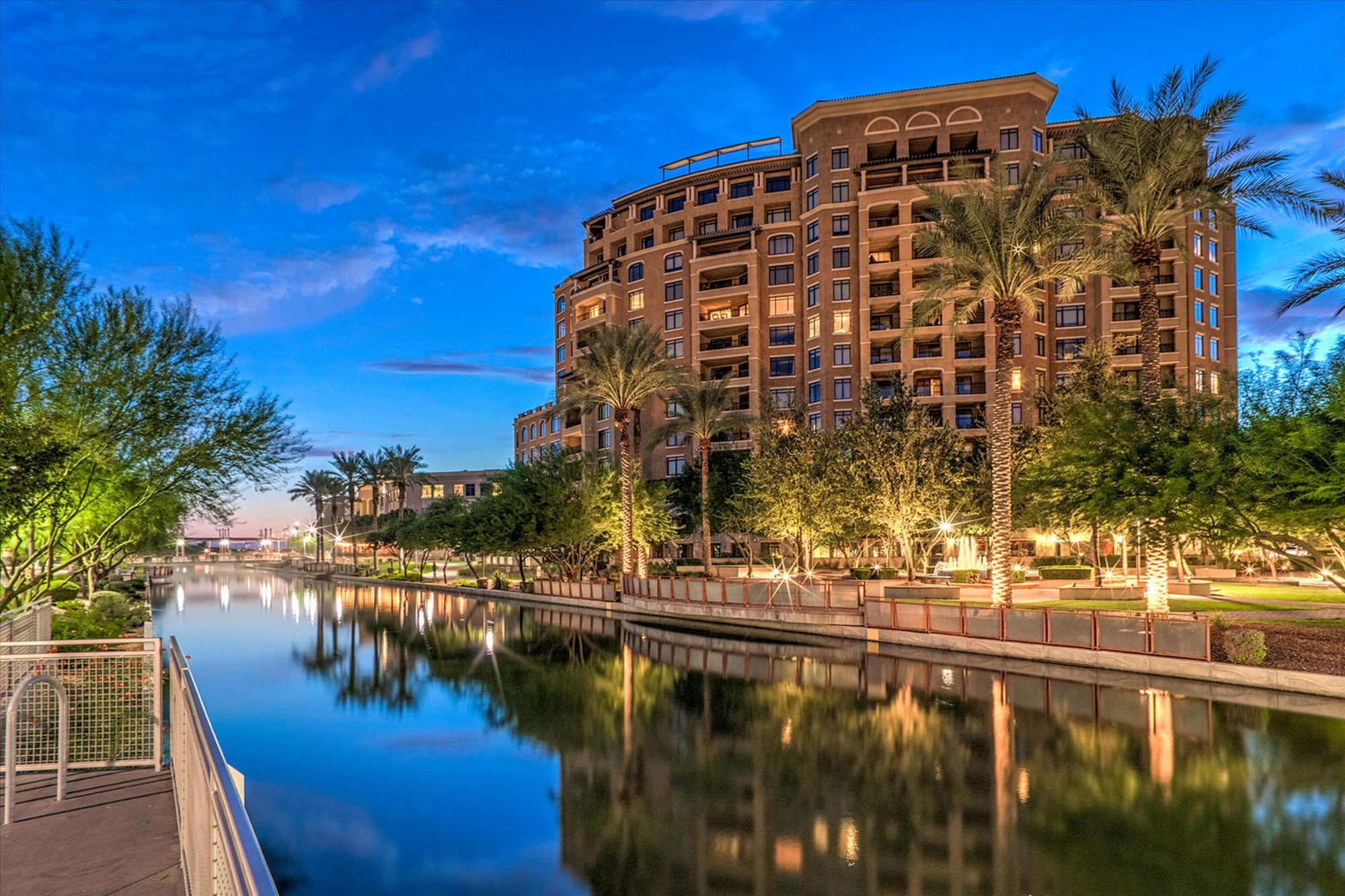
I get some version of “can you get me something off-market” from almost every buyer who has read a headline about pocket listings. Most of them are picturing something more mysterious than what actually happens. The honest version is less exciting and more useful: it is about relationships, timing, and which rules a particular listing operates under. This post walks through those rules, where they come from, and what a buyer or seller should actually expect once they understand them.
What the Research Shows
- National Association of Realtors, updated July 2026: the Clear Cooperation Policy requires a listing broker to submit a property to the MLS within one business day of the start of public marketing. NAR’s July 2026 guidance also clarified that the choice to go office-exclusive “belongs entirely to the seller,” and must rest on the seller’s own reasons, such as health, safety, or privacy, rather than the broker’s preference.
- ARMLS, 2026: Arizona’s regional MLS allows listings to sit in Coming Soon status for up to 30 days before Clear Cooperation applies, and listings in that status are not required to include photos yet. Violations of the one-business-day submission rule can accrue fines on a per-day, per-property basis.
- Redfin analysis, 2021 (most recent published figure on this specific metric): pocket listings rose to roughly 4% of all home sales nationally, up from about 2.4% before Clear Cooperation took effect, meaning the policy meant to push listings toward full MLS exposure also pushed some sellers toward staying off it entirely.
- Top Agent Network, 2026: membership is limited to agents who rank in the top 10% of production in their local market, and the platform exists so those agents can compare buyer needs and seller intentions with each other before a property is actually marketed anywhere.
- ARMLS, 2026: a private listing network is treated the same as any other public marketing once it includes brokers or licensees from outside the listing brokerage and a specific property is actually shared or shown through it. That means a multi-brokerage network like Top Agent Network still has to route an active listing to the MLS within one business day the moment a conversation turns into real marketing of a specific home.
- National Association of Realtors, 2025 Profile of Home Buyers and Sellers: equity-rich, all-cash buyers reached an all-time high share of the market in the survey year, while first-time buyers fell to a record low of 21%. Cash buyers face fewer financing contingencies, which is part of why they show up disproportionately often in office-exclusive and Coming Soon transactions.
What Clear Cooperation Actually Requires
The Clear Cooperation Policy is a National Association of Realtors rule, not an Arizona-specific one, and it is the reason “off-market” does not mean what it used to. Once a listing broker starts public marketing, meaning a yard sign, a flyer, a social post, or an email blast to a wide list, the one-business-day clock starts. After that, the listing has to go into the MLS for other agents to see, whether the seller likes it or not.
That single rule is why office exclusives exist as their own category. A seller who genuinely does not want public marketing at all can ask their broker to keep the listing exclusive to that brokerage, filed with the MLS but not disseminated to other participants, with the seller signing a certification saying so. It is a real option, but it is a narrower one than most buyers assume, since it usually means fewer eyes on the property, not zero marketing behind the scenes.
Here is the part most agents gloss over when they talk about private networks. ARMLS is explicit that a listing network counts as public marketing the moment it includes brokers or licensees from outside the listing brokerage and an actual property gets shared or shown through it. A group of top-producing agents comparing notes about buyer needs and seller intentions is not marketing yet. The instant that conversation turns into showing or advertising one specific home across those brokerages, the one-business-day clock starts exactly like it would for a yard sign. That distinction is why I am careful never to describe any network, including Top Agent Network, as a way to keep an active listing off the MLS indefinitely. It is not, and treating it that way would put a client’s listing broker at risk of a fine.
The Three Real Paths to an Off-Market Deal in Scottsdale
Three mechanisms cover almost every off-market transaction I see in North Scottsdale and Paradise Valley, and they are not interchangeable.
| Path | What it actually means | Time limit | Who sees it |
|---|---|---|---|
| Office exclusive | Filed with ARMLS but not disseminated; seller signs a certification | No fixed limit, seller’s choice | Only the listing brokerage’s own agents and buyers |
| Coming Soon status | Pre-marketing window before full MLS dissemination | Up to 30 days under ARMLS rules | MLS participants, with showings often delayed or restricted |
| Private agent network (Top Agent Network) | Agents compare buyer needs and seller intentions before a specific property is actually marketed; once a home is shown or advertised across brokerages, Clear Cooperation applies | Ends the moment real marketing starts, not a lasting status | Only network members and the buyers they represent, until marketing begins |
Coming Soon status is the one most buyers have actually heard of without knowing its name. It lets a seller test a price, prep a home, or avoid the appearance of sitting on the market before the full public push begins. Since ARMLS does not require photos during that window, some of these listings are genuinely bare-bones, just an address, a price, and a promise that showings start on a certain date.
Private networks work differently and depend entirely on relationships rather than any MLS rule bypass. Being a Top Agent Network member means I hear about buyer needs and seller intentions from other agents who rank in the same production tier, before either side is ready to show or advertise anything. That is not a guarantee that any specific home will come through that channel, and it is not a way to keep an active listing off the MLS once it is actually being shown. It is a wider net of advance knowledge than an agent outside the network has access to, and in a market like Silverleaf, where inventory is genuinely limited, that head start matters more than it does in a higher-volume neighborhood.
Why Sellers Choose to Go Off-Market
Privacy tops the list, and it is not vague privacy. A seller going through a divorce, managing a health situation, or simply not wanting neighbors to know a $4 million home is for sale has real, specific reasons to avoid a yard sign. Some sellers want to test a number quietly before committing to a public listing price, since a public price cut leaves a visible trail that can spook later buyers even after the home eventually sells for a fair number.
Then there is timing. A seller who has not found their next home yet sometimes wants the flexibility to negotiate a longer close, or no close date commitment at all, without a countdown clock showing up on every buyer’s app. None of these reasons make a property harder to buy well. They just mean the seller is optimizing for something other than maximum exposure, and a buyer working with the right agent can still get in front of it, whether that search is centered on North Scottsdale or Paradise Valley.
What Buyers Should Actually Expect
Here is where I have to be direct instead of encouraging. No agent, including me, can promise access to a specific off-market home, and any agent who tells you otherwise is selling you a feeling, not a service. What I can promise is that I work all three channels every week: office exclusives inside my own brokerage relationships, Coming Soon listings the moment ARMLS shows them, and Top Agent Network conversations with other top-producing agents across the Valley.
Buyers who do best in this space are usually the ones with financing already sorted, since a cash-ready or fully underwritten buyer moves fast enough to actually close an off-market deal before a seller decides to just list publicly instead. That connects directly to the NAR data above. Equity-rich, all-cash buyers are a bigger share of the market than they used to be, and they are disproportionately the ones who end up on the other side of an office-exclusive or Coming Soon transaction, simply because they can move without a financing contingency slowing things down.
The one mistake I would steer every buyer away from is treating “off-market” as a marketing term that means better or more exclusive. Sometimes it means the seller has a real reason for privacy. Sometimes it means the house has a problem the seller would rather not answer questions about in a public listing description. An agent who actually knows the difference is worth more here than in almost any other part of a transaction.
This is also why I never treat “off-market” as a substitute for the basic decision of where to search in the first place. The neighborhoods overview still matters even for a buyer chasing private inventory, since knowing which pocket you actually want narrows who to call and which network conversations are worth having. If you are still working out whether North Scottsdale or Paradise Valley fits your search better, or how Silverleaf compares to DC Ranch inside that decision, settle that first. It makes every conversation about off-market inventory after it more useful.
Frequently Asked Questions
How do I find off-market homes in Scottsdale?
Work with an agent who is active in all three channels: a network like Top Agent Network for early buyer and seller conversations, direct brokerage relationships that generate office exclusives, and daily ARMLS monitoring for Coming Soon listings. None of these are a permanent way around the MLS. Once a specific home is actually shown or advertised, Clear Cooperation requires it to reach the MLS within a business day, so timing and relationships matter more than any public search tool.
What is an office exclusive listing in Arizona?
It is a listing a seller asks their broker to keep off full MLS dissemination, filed with ARMLS but not shared with other participants, backed by a signed seller certification under NAR’s Clear Cooperation Policy. It usually means fewer buyers see the home, in exchange for the privacy or control the seller wants. It is the seller’s choice to make, not the broker’s preference.
How long can a Scottsdale listing stay in Coming Soon status?
Under ARMLS rules, a listing can sit in Coming Soon status for up to 30 days before Clear Cooperation requires full MLS dissemination, and photos are not required while it holds that status. After 30 days, or once public marketing begins, whichever comes first, the one-business-day submission clock applies like any other listing.
Can a real estate agent guarantee me access to off-market listings?
No, and any agent who says otherwise is overselling. What an agent can offer is active participation in the channels that actually produce off-market deals: private agent networks, direct brokerage relationships, and daily attention to Coming Soon listings the moment they appear. That effort widens a buyer’s odds. It does not guarantee a specific outcome on a specific home.
Why would a seller want to keep a listing off the MLS?
Privacy is the most common reason, whether that is a health situation, a divorce, or simply not wanting neighbors to know a home is for sale before it is confirmed. Some sellers also want to test a price quietly before committing to a public number, since a visible price cut can affect how buyers perceive a home later even after it sells fairly. Timing flexibility, like avoiding a public days-on-market count while waiting to find a next home, is another common reason.
Is Top Agent Network the same as the MLS?
No. The MLS is a regulated database every participating brokerage can access under Clear Cooperation rules. Top Agent Network is a private membership platform limited to agents in the top 10% of local production, used to compare buyer needs and seller intentions before a property is actually marketed. Once a specific listing is shown or advertised across multiple brokerages through any channel, including a network like this one, NAR’s Clear Cooperation Policy requires it to reach the MLS within one business day.
Ready to Talk About What Fits Your Situation?
Whether you are trying to sell quietly or find something before it goes public, the honest answer starts with which channel actually fits your situation. Call or text Jill Alexander at 310-773-6163 and she will walk through what is realistic for your timeline and your privacy needs, not just what sounds good.
Jill Alexander is a REALTOR® with BVO Luxury Group at Keller Williams Realty Sonoran Living, serving North Scottsdale and Paradise Valley. Each Keller Williams Realty office is independently owned and operated.